Does rhinoplasty change the shape of your nose
- On
- InPlastic Surgery
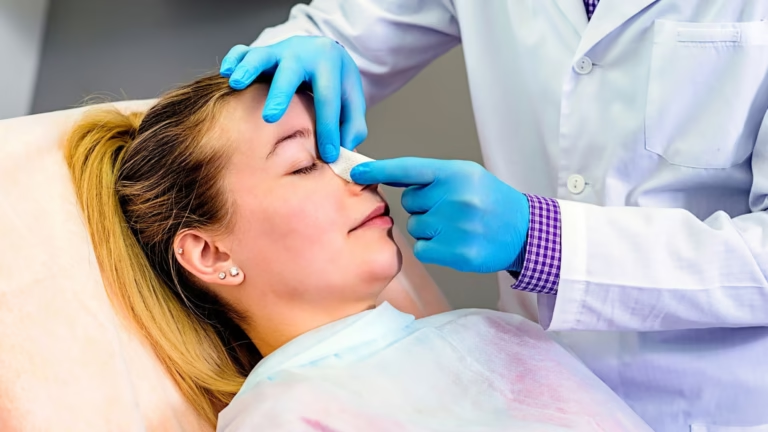
Does rhinoplasty change the shape of your nose, rhinoplasty, commonly referred to as a “nose job,” is one of the most sought-after cosmetic procedures worldwide. This surgical operation is performed to modify the shape, size, or functionality of the nose, addressing both aesthetic preferences and medical necessities. Whether you’re considering rhinoplasty for health reasons or as a step toward achieving your ideal appearance, understanding the procedure, its risks, benefits, and recovery process is crucial.
In this comprehensive guide, we’ll explore how rhinoplasty changes the shape of the nose, its purpose, associated risks, advantages, and what you can expect during recovery.
Reasons for Rhinoplasty: Health vs. Aesthetic
Rhinoplasty can be performed for various reasons, primarily falling into two categories:
Medical Necessity
- Correcting breathing problems caused by structural issues such as a deviated septum.
- Repairing nasal trauma or congenital defects.
- Addressing chronic sinus problems or obstruction.
Aesthetic Purposes
- Improving the overall harmony of facial features.
- Reshaping the nose to enhance personal confidence and satisfaction with appearance.
Interestingly, studies indicate that while approximately 9% of rhinoplasty procedures are performed for health-related reasons, the majority are sought for aesthetic improvement.
Risks Associated with Rhinoplasty
As with any surgical procedure, rhinoplasty carries potential risks. While complications are uncommon, it’s essential to be informed about possible outcomes, which include:
- Bleeding
- Infection
- Anesthetic Reactions
- Scarring
- Difficulty Breathing
- Septum Perforation (a hole in the nasal septum)
- Changes in Sense of Smell
- Pain and Discomfort
- Need for Revision Surgery
Although not all individuals experience these complications, consulting with a qualified surgeon is the best way to assess your personal risks and how they can be minimized.
The Popularity of Rhinoplasty
Rhinoplasty is among the top five most common cosmetic surgeries globally. In the United States alone, between 300,000 and 400,000 rhinoplasty procedures are performed annually. This staggering number highlights its popularity, driven not only by medical necessity but also by its ability to transform appearance and boost self-esteem
Preparing for Rhinoplasty
If you’re considering rhinoplasty, there are essential criteria and steps to follow to ensure a safe and successful outcome.
Prerequisites:
- Physical Health: You should not have any medical conditions that could complicate surgery or recovery.
- Complete Growth: Candidates should wait until their facial growth is complete, typically around age 16-18.
- Pre-Surgical Preparation: Adhering to dietary restrictions and avoiding certain medications as advised by your doctor is critical.
Once these criteria are met, you can work with your surgeon to develop a personalized treatment plan tailored to your needs and expectations.
Recovery: What to Expect After Rhinoplasty
The recovery process following rhinoplasty varies from person to person, but understanding the general timeline can help you prepare:
Initial Healing (First Few Weeks)
- Swelling and bruising are common, particularly around the eyes.
- You may experience mild discomfort, which can be managed with prescribed pain medications.
- Avoid strenuous activities and protect your nose from impact during this time.
Long-Term Recovery (6-12 Months)
- While significant swelling subsides within the first month, subtle changes in the nose’s shape can continue for up to a year.
- Follow your surgeon’s recommendations, including avoiding direct sunlight, sleeping with your head elevated, and using cold compresses as needed.
By adhering to these guidelines, you can ensure a smoother recovery and achieve the desired results.
Tips for a Successful Rhinoplasty Experience
Here are some tips to maximize your rhinoplasty success:
- Choose the Right Surgeon: Opt for a board-certified plastic surgeon with extensive rhinoplasty experience.
- Communicate Clearly: Discuss your expectations and goals with your surgeon to ensure realistic outcomes.
- Follow Post-Operative Instructions: Adhere strictly to aftercare guidelines to reduce risks and accelerate healing.
Conclusion
Rhinoplasty is a transformative procedure that can significantly enhance both form and function. While it carries potential risks, working with a skilled surgeon and following pre- and post-operative care can lead to a successful outcome. With over 400,000 people undergoing this procedure annually in the U.S. alone, rhinoplasty continues to be a leading choice for those seeking a harmonious balance between health and aesthetics.
If you’re considering rhinoplasty, consult a qualified specialist to determine if it’s right for you. Take the first step toward achieving the nose you’ve always wanted and improving your quality of life.
Newsletter Updates
Enter your email address below and subscribe to our newsletter